

The Beginner’s Guide to Commercial Truck Ownership and DOT Compliance
Buying your first truck is the part everyone talks about. The DOT registration, the insurance paperwork, the logbook setup, and the bills that show up before your first profitable month? Those are the parts most new owner-operators only discover once they’re already knee-deep in it.
Commercial truck ownership means taking on a lot more than driving. Whether you plan to lease onto an established carrier or eventually run under your own name, here’s what actually needs to be in place before and after you start hauling.
Getting Your DOT Number and MC Authority
Most interstate owner operator businesses running qualifying commercial motor vehicles will need a USDOT number. It’s how FMCSA tracks your carrier’s safety information.
- Generally applies to vehicles above a certain weight threshold
- Some states also require registration for qualifying intrastate work
- Worth double-checking based on where and how you’ll be running
MC authority is a different thing altogether, and mixing the two up trips up plenty of new operators. Leasing onto an established carrier and driving under their authority usually means you won’t need your own operating authority right away. Running independently as an interstate for-hire carrier is a different story. That’s typically when operating authority enters the picture, though a few exceptions exist depending on what you haul.
- FMCSA has been rolling out changes through its Motus registration system
- Older instructions online may no longer match current steps
- Always confirm directly through FMCSA before applying
Buying vs. Leasing Your First Truck
Monthly payment aside, this choice shapes your maintenance responsibilities, your cash flow, and how much room you have to breathe if year one doesn’t go according to plan.
Pros and Cons of Each Option
Buying means full ownership. It also means every repair bill lands on you, plus a bigger check written upfront.
- Buying: full ownership, long-term equity, but you carry all repair costs
- Leasing: lower initial capital, sometimes defined maintenance terms
- Leasing: mileage restrictions may apply, and you won’t build equity
- Neither is automatically the smarter pick
It comes down to how much capital you’re starting with, your appetite for risk, and how long you actually plan to keep the truck.
Startup and Ongoing Compliance Costs
New operators tend to budget for the truck and get blindsided by everything that follows. Splitting costs into three buckets helps.
- Getting operational: down payment, registration fees, permits
- Staying operational: fuel, maintenance, your ongoing ELD subscription
- Staying compliant: filings, inspections, regular recordkeeping
Plenty of new owner operator businesses figure out what it costs to get the truck moving, then get surprised by what it takes to keep the authority active month after month. Planning for all three buckets up front changes that first year considerably.
Insurance and Safety Requirements
Trucking insurance isn’t one-size-fits-all. What you’re required to carry depends on your operation, your cargo, and your authority, so there’s no flat number that fits every truck on the road.
- FMCSA won’t finalize operating authority until financial responsibility requirements are filed
- Many carriers carry coverage above the minimum
- Shippers or brokers sometimes expect higher limits before they’ll work with a new operator
Get quotes early, well before your truck is ready to roll. That gives you room to actually compare instead of scrambling at the last minute.
Choosing an ELD and Setting Up Your Logbook
Registration and insurance sorted? Good. Hours of Service tracking is next, and getting it right from day one saves headaches later.
What FMCSA Requires From New Owner-Operators
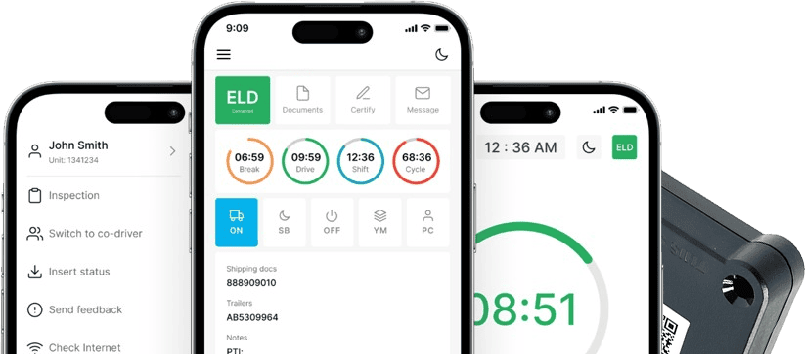
Most drivers required to keep Records of Duty Status will need to meet ELD requirements.
- A handful of exceptions exist in the rule
- Certain short-haul operations may qualify
- Drivers relying on paper logs only occasionally within a set window may also qualify
Check whether any of these apply to you before assuming a device is mandatory on day one.
Why a No-Contract ELD Makes Sense for New Fleets
Freight lanes are still being figured out. Cash flow is still finding its rhythm. Locking into a long-term contract during that stretch adds pressure most new operators don’t need.
- A no contract ELD offers flexibility while the business finds its footing
- Look for easy installation
- Look for smooth log transfers during roadside inspections
- Look for support you can actually reach when something breaks
Conclusion
The truck is the visible part of commercial truck ownership. Everything else, the registration, the insurance, the logbook setup, is what keeps the business running and compliant once you’re actually on the road. Sort these pieces early and that first year gets a lot less overwhelming. LogSafe US supports new owner-operators with flexible, no-contract ELD service and compliance reporting built for exactly this stage of the journey.
FAQ
How do I become an owner-operator?
Decide how you want to operate first, then work through registration, insurance, and logbook setup before hauling begins.
Do I need a DOT number?
Most carriers running qualifying commercial vehicles in interstate commerce will need one. Requirements shift depending on your specific setup.
Is an ELD required?
For most drivers, keeping records of duty status, yes. A few exceptions exist depending on how the operation runs.
Should I buy or lease a truck?
Comes down to your capital, your risk tolerance, and how long you plan to hold onto the truck.
What insurance do I need?
Varies by operation, cargo, and authority type. Confirm the specifics before launch, not after.


