

How Owner-Operators Can Keep Trucks Compliant and Road-Ready
Running your own truck means wearing every hat there is. Driver, mechanic, bookkeeper, safety manager, sometimes all before lunch. Between hauling loads and hitting deadlines, staying on top of owner operator truck maintenance and DOT compliance can feel like one more thing pulling at your attention.
Here’s the part a lot of drivers miss though. A truck that runs well and a business that stays compliant aren’t really separate goals. They feed into each other. Get into the habit of checking your truck, fixing small issues before they become big ones, and keeping your paperwork where you can find it, and passing an inspection stops feeling like a gamble.
Building a Maintenance Schedule That Meets DOT Standards
There’s no magic mileage number that applies to every truck out there. What works for a driver running regional routes on flat highways won’t necessarily hold up for someone hauling through mountains in the middle of winter. Your schedule needs to be built around how your truck actually gets used, not a generic template pulled off the internet.
What matters most is picking a routine you’ll actually stick to. A preventive maintenance schedule that fits your truck’s real conditions beats a “perfect” one that gets abandoned after a month because it was never realistic to begin with. Once you settle into a rhythm, checking the truck stops feeling like extra work and starts becoming second nature.
Daily, Weekly, and Seasonal Checks
A quick routine like this keeps small problems from turning into expensive ones:
- Before every trip, walk around and check tires, lights, brakes, and fluid levels
- Once a week, take a slower look under the hood and around the frame, not just a glance
- Cold months and hot months wear a truck differently, so your checklist should shift with the seasons
- Don’t ignore the small stuff. A weird noise or a dash light today is usually cheaper than the breakdown it turns into next month
DOT Maintenance Recordkeeping Requirements
Keeping the truck running is only half of it. You also need paperwork that backs up what you’re claiming, and that’s where a lot of owner-operators fall behind. It’s easy to assume that as long as the work gets done, the documentation side can wait, but inspectors don’t just take your word for it. They want to see dates, descriptions, and proof that maintenance actually happened on schedule.
The good part is that this doesn’t require a complicated filing system. Maintenance recordkeeping really just means writing down what was done, when it was done, and holding onto that information for as long as it’s required. Once that habit is in place, it takes a few extra minutes after each service instead of turning into a scramble later when someone asks for proof.
What Records You Must Keep for Audits
Your records should generally include vehicle identification details, a summary of what maintenance is scheduled and when it’s due, and dates and descriptions of repairs that have already been completed. Retention periods aren’t identical across every document type, so it’s safer to hold onto paperwork a little longer than to clear it out too soon.
- Vehicle identification information, including unit number and identifying details
- The nature and due dates of upcoming inspection or maintenance work
- Records showing the date and details of repairs, servicing, and completed maintenance
- Documentation from the most recent periodic inspection, kept accessible on hand
Budgeting for Repairs and Downtime
Sooner or later, every owner-operator eats a repair bill they didn’t see coming. The drivers who stay on the road the longest tend to be the ones who built some breathing room into their finances before they actually needed it, rather than scrambling to cover a bill after the truck is already sitting in a shop.
Skip the guessing game with a fixed dollar figure, since no single number works for every truck. Base your reserve on your truck’s mileage, its age, and what its repair history has actually looked like over time. Setting aside even a modest amount from each paycheck adds up faster than most people expect, and it softens the hit considerably when something breaks down without warning.
Choosing In-House vs. Outsourced Maintenance
Some drivers like handling the smaller jobs themselves. Others would rather hand almost everything to a shop they trust and focus their energy on driving instead. Both approaches are fine. What actually matters is that the work gets done properly and gets written down afterward, no matter who does it.
- Doing it yourself gives you more control over timing and doesn’t leave you waiting on a shop’s schedule
- Sending work out means access to specialized tools and technicians who deal with bigger repairs every day
- Either way, keep a record of what was done and when, since that documentation carries just as much weight as the repair itself
- Mixing both approaches is common too, handling routine checks personally while outsourcing anything more involved
Tracking Maintenance and Logs Digitally
Paper logs have gotten drivers through for decades, but let’s be honest, they’re also easy to lose, water damage, or leave behind at a truck stop without realizing it until you need them. Switching to a digital system tends to make life noticeably easier the first time you actually need to find something in a hurry.
Why ELD-Linked Records Beat Paper Logs
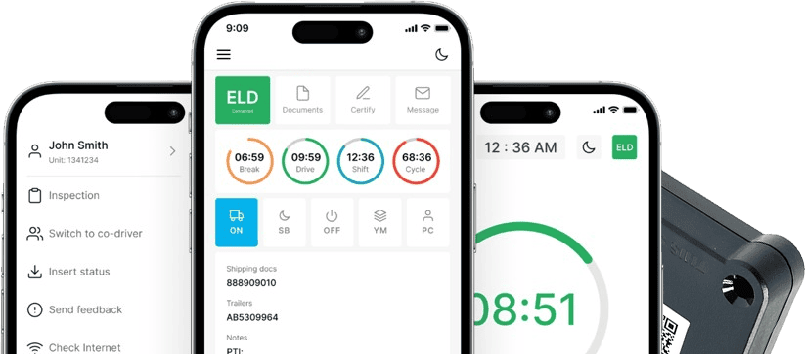
A digital setup gives you one place to store and search everything instead of digging through a folder wedged behind your seat. It’s worth clearing up here that your ELD maintenance tracking through Hours of Service data and your actual maintenance records aren’t the same thing. The ELD is built around driving time and duty status, while your maintenance history is its own separate piece of the compliance picture.
When people weigh digital logs vs paper logs, they usually assume it’s just about convenience. That’s part of it, but the bigger difference is having information that’s accurate and complete, something you can pull up in seconds instead of digging through papers for ten minutes. That kind of access strengthens your overall fleet maintenance compliance, whether you’re running a single truck or managing a small group of them.
Conclusion
None of this comes down to one big fix. It’s the small habits repeated consistently, checking the truck regularly, acting on what you find instead of putting it off, keeping records where you can actually get to them, and planning your money ahead of time instead of scrambling after a breakdown. Do that consistently and staying compliant stops feeling like extra work sitting on top of everything else. LogSafe US helps owner-operators keep their logs and compliance reporting organized, so that’s one less thing sitting on your plate.
FAQ
What maintenance records must owner-operators keep for DOT audits?
Generally you’ll want vehicle identification details, scheduled maintenance information, and documentation of completed repairs and inspections, kept somewhere you can pull up quickly.
How does digital recordkeeping reduce compliance risk?
Records stay centralized and searchable, so there’s less chance of paperwork going missing or something getting overlooked during a review.
What is a reasonable monthly maintenance budget for owner-operators?
There isn’t some set amount that kinda works for everyone. You can base your reserve on the truck’s age, how many miles it has on it, and what you paid in past repairs, rather than using one flat monthly figure.
Can an ELD system store maintenance and inspection records together?
Some platforms offer that kind of integration, but ELD and maintenance records typically cover different things, so it’s worth checking exactly what your software actually supports.
How often should a semi truck be serviced to remain compliant?
There isn’t one federal number that applies across the board. It comes down to your truck’s mileage, age, and how it gets used day to day.


